
Protect yourself whenair quality gets worse.
Poor air quality can increase your exposure to harmful pollutants, especially fine particulate matter. Knowing when to reduce exposure, improve indoor air, and protect yourself can make a meaningful difference.
Safety information, not a medical diagnosis
These guidelines provide general information for reducing exposure to poor air quality. Follow instructions from local authorities and seek professional medical care when needed.
Start here
Four things to remember.
When air quality deteriorates, focus first on reducing your exposure and keeping your indoor environment as clean as practical.
Check conditions
Know the estimated air quality before spending extended time outdoors.
Reduce exposure
Limit unnecessary outdoor time and strenuous activity when air quality is poor.
Protect indoor air
Keep smoke and particles out and use appropriate air filtration when available.
Watch for symptoms
Pay attention to breathing problems or worsening symptoms and seek help when appropriate.
General response guide
What should you do at different conditions?
HazeGuard uses simplified status levels to communicate air-quality conditions. These are intended as practical guidance categories, not as a replacement for official public-health advisories.
Good
HazeGuard statusAir quality is generally favorable.
Recommended approach
- Normal outdoor activities can generally continue.
- Continue paying attention to local weather and air-quality changes.
- If smoke or unusual pollution becomes visible or noticeable, recheck conditions.
Moderate
HazeGuard statusConditions may be less favorable for people who are more sensitive to air pollution.
Recommended approach
- Most people can generally continue normal activities.
- People who are sensitive to air pollution may want to reduce prolonged or strenuous outdoor activity.
- Pay attention to symptoms and changing local conditions.
Elevated
HazeGuard statusAir quality is becoming more concerning, particularly with longer or more strenuous exposure.
Recommended approach
- Reduce prolonged or strenuous outdoor activity where practical.
- Consider moving activities indoors or choosing a time when conditions improve.
- If you must spend extended time outdoors in smoky conditions, consider a properly fitted KN95 or N95 respirator.
High
HazeGuard statusReduce unnecessary exposure and take stronger precautions.
Recommended approach
- Avoid unnecessary outdoor exposure where practical.
- Avoid strenuous outdoor activity.
- Keep indoor air cleaner by closing windows and doors when appropriate and using available filtration.
- If you must go outside in smoky conditions, a properly fitted KN95 or N95 respirator can help reduce particle exposure.
- Follow official emergency or public-health instructions for your area.
Respiratory protection
When should you wear a KN95 or N95 mask?
KN95 and N95 respirators are designed to filter fine particles, including PM2.5 commonly found in smoke and haze. They can help reduce your exposure when you must be outdoors during periods of elevated or high air pollution.
Best used when necessary
Wear a properly fitted KN95 or N95 when you need to spend time outdoors in smoky or poor air-quality conditions and cannot avoid exposure.
Fit matters most
A respirator only works well when it seals properly against your face. Gaps around the nose, cheeks, or chin reduce its effectiveness.
Not a complete solution
A mask does not replace the more important step of reducing the amount of time you spend in polluted air.
Know the limitations
These respirators are intended for particulate matter. They do not protect against all gases or chemicals, and they are not a substitute for official emergency instructions.
Important: Always prioritize reducing exposure first. Use a KN95 or N95 as an additional layer of protection when outdoor activity cannot be avoided.
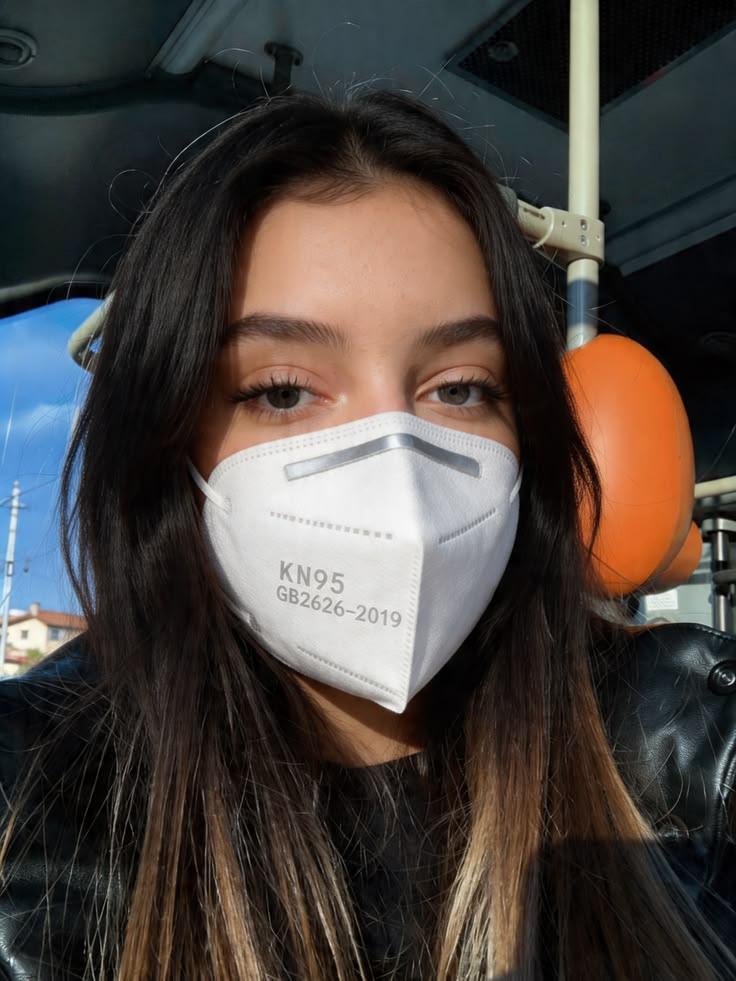
Example of a properly fitted KN95 / N95 style respirator
Outdoor exposure
If you need to go outside.
The longer and more strenuous the exposure, the more important it becomes to reduce the amount of polluted air you breathe.
Reduce exposure first
A respirator should not be treated as permission to remain in poor air unnecessarily. Reducing time and intensity of exposure remains important.
Short outdoor trips
Keep the trip as brief as practical when conditions are poor. Avoid unnecessary exertion.
Longer outdoor exposure
Consider postponing or shortening the activity when practical, especially during smoky conditions.
Physical activity
Reduce strenuous exercise when air quality is poor because heavier breathing can increase the amount of polluted air you inhale.
If a respirator is needed
For smoky outdoor conditions, a properly fitted KN95 or N95 respirator can reduce exposure to particles. Fit and correct use matter.
Follow local instructions
If local authorities issue evacuation, shelter, or other emergency instructions, those instructions take priority over app-based estimates.
Indoor protection
Make your indoor air cleaner.
During smoke events, outdoor pollution can enter buildings. Creating a cleaner indoor space can help reduce exposure when it is safe to remain indoors.
Close openings
When outdoor smoke is a concern, keep windows and doors closed as appropriate.
Filter the air
Use a suitable portable air cleaner or high-efficiency HVAC filtration when available.
Avoid indoor smoke
Do not add more particles through smoking, vaping, candles, incense, or other smoke-producing activities.
Keep activity light
Avoid strenuous exercise during smoky conditions, even indoors if the indoor air is not clean.
Cleaner-air space
Consider creating one cleaner room.
If smoke is affecting your area and it is safe to stay indoors, a room with closed windows, reduced particle sources, and appropriate filtration can provide a cleaner space to spend time.
Choose a room
Select a comfortable room that can be closed off from outdoor air.
Keep particles out
Close windows and doors when appropriate and avoid activities that generate indoor particles.
Filter when possible
Use an appropriate portable air cleaner or HVAC filtration system if available.
Important: A cleaner indoor space should never prevent you from leaving during an emergency. If authorities instruct you to evacuate, follow those instructions.
Extra caution
Some people may need to take extra care.
Smoke and air pollution can affect people differently. People with existing heart or lung conditions and other potentially vulnerable groups may need additional precautions.
Children
Pay attention to prolonged exposure and outdoor activity during poor air conditions.
Older adults
Consider reducing exposure when air quality becomes poor or smoky.
Heart or lung conditions
Follow your healthcare provider's advice and personal action plans.
People affected by smoke
If symptoms develop or worsen, move to cleaner air and seek appropriate medical advice.
Know when to seek help
Do not rely on an air-quality estimate when you feel seriously unwell.
If you develop severe or worsening breathing difficulty, chest pain, confusion, fainting, or other serious symptoms, seek urgent medical attention.
Important
HazeGuard is one source of information.
Modelled estimates can help you understand regional conditions, but they do not replace official emergency alerts, local monitoring stations, or instructions from public-health and emergency-management authorities.
When conditions are serious:
- Follow local emergency and public-health instructions.
- Check official air-quality information when available.
- Follow evacuation or shelter instructions immediately.
- Use HazeGuard as supporting information, not as the sole basis for emergency decisions.

Know the air. Make informed choices.
Check the estimated air quality for your location and get practical guidance based on your situation.
Check My Air